Back to All News
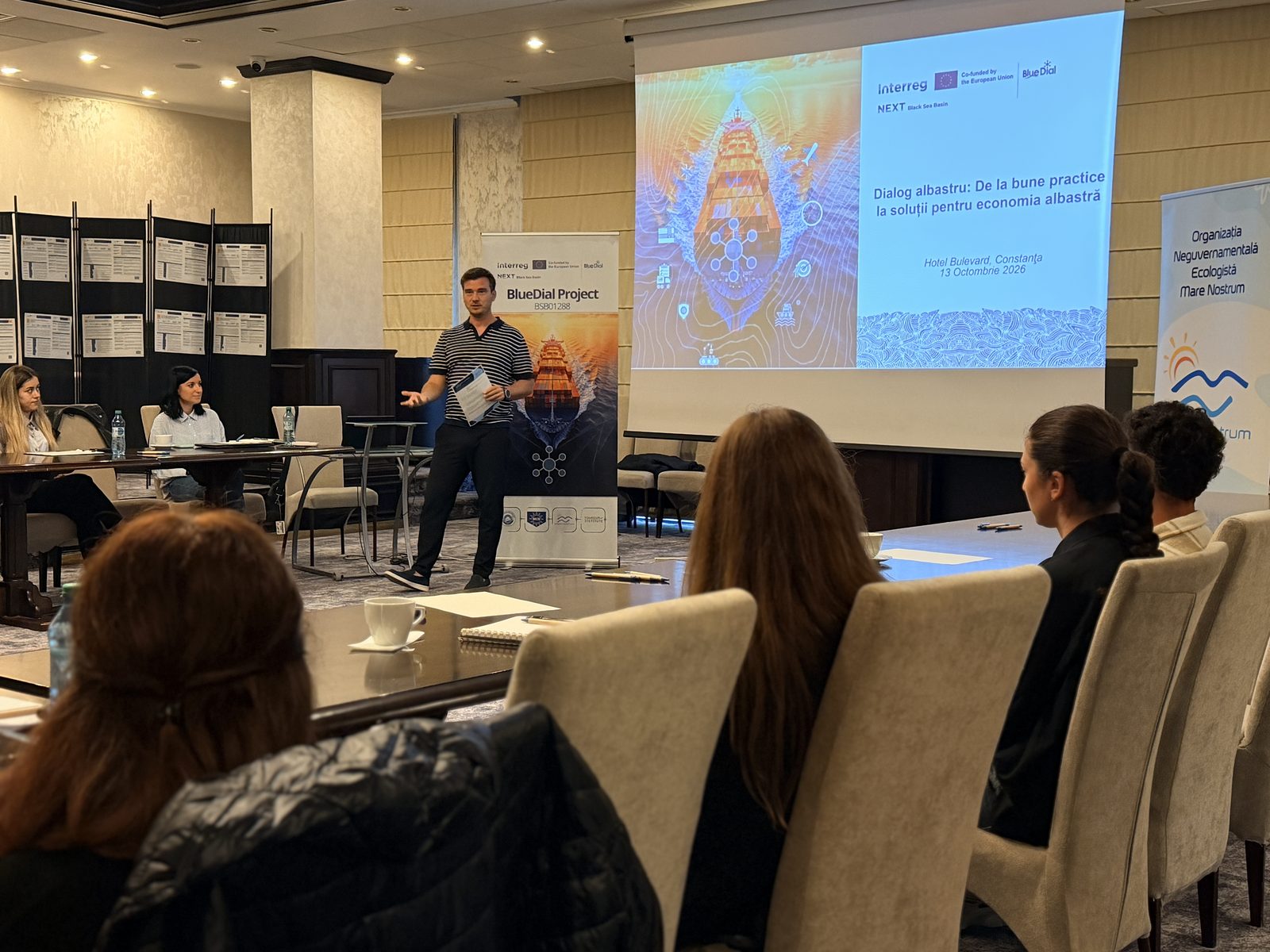
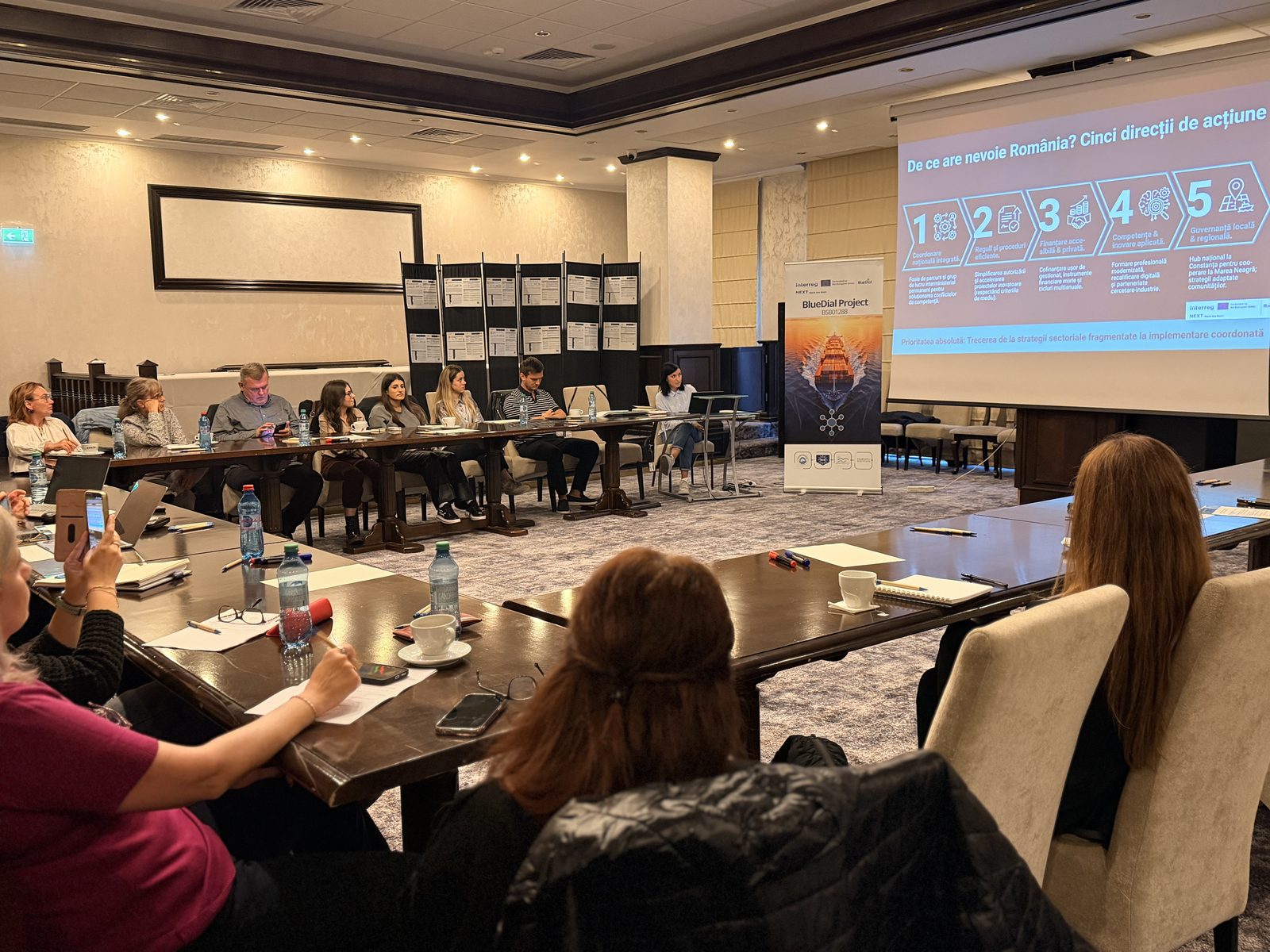
The sustainable development of the blue economy is no longer just a theoretical concept, but an urgent necessity for the Black Sea region and for Romania. Starting from the needs, gaps, and challenges identified at the national and subnational levels, Mare Nostrum NGO recently organized a workshop dedicated to evaluating the best practices from other maritime basins and macro-regions, exploring their potential to be transferred and adapted to the Romanian context.
"Blue Dialogue: From best practices to solutions for the blue economy" took place within the framework of the BlueDial project (BSB01288), funded by the Interreg NEXT Black Sea Basin Programme. The event brought together stakeholders interested in the sustainable development of the blue economy, providing a framework for dialogue to identify solutions tailored to the Romanian context.
Event Details
- Event: Blue Dialogue - From best practices to solutions for the blue economy
- Date: 13 October 2026
- Location: Constanta, Romania
- Organiser: Mare Nostrum NGO (BlueDial project partner)
The Black Sea Has Huge Potential - How Do We Harness It Intelligently and Sustainably?
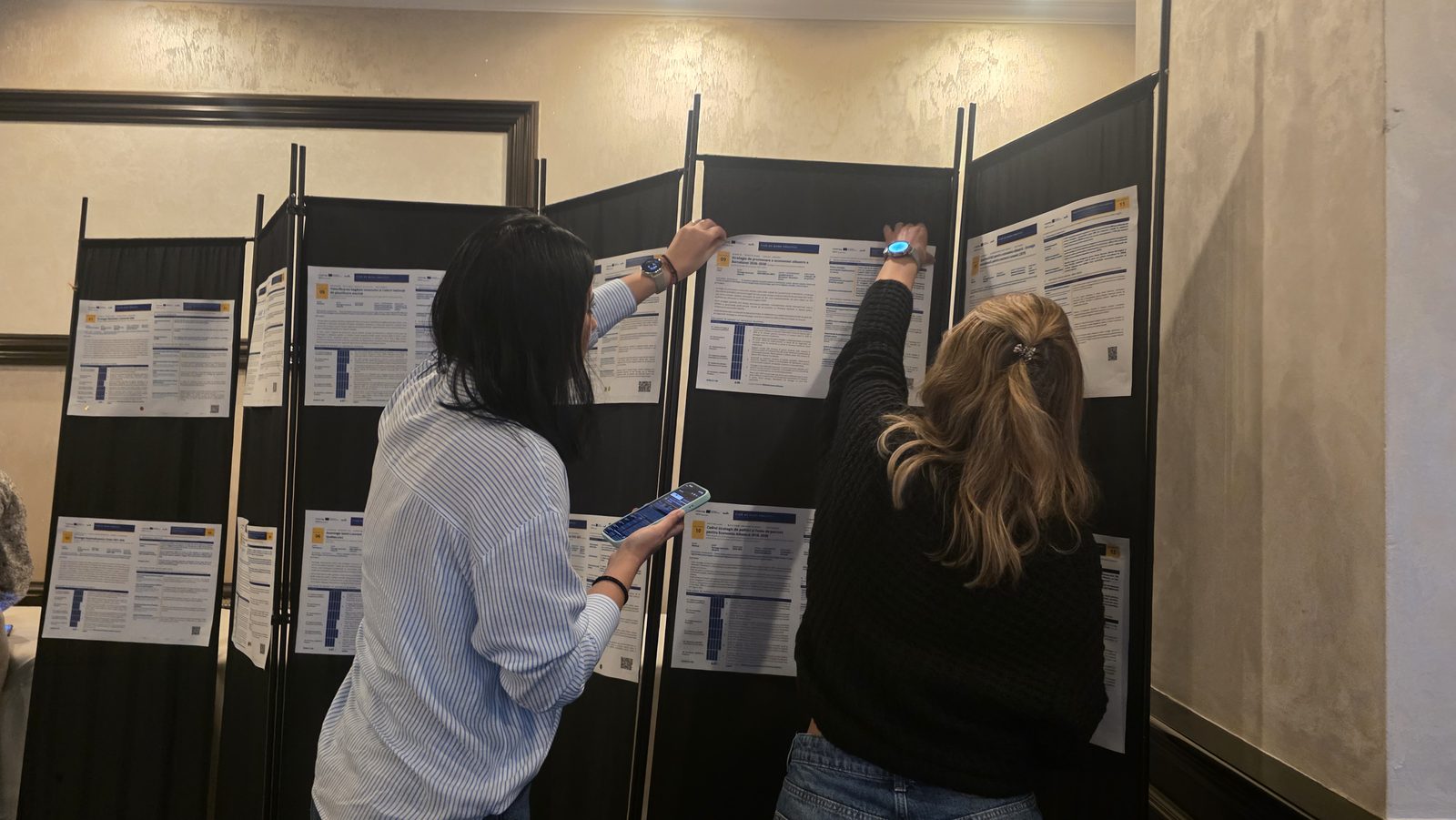
Participants analyzed 12 best practices from other macro-regions and maritime basins. Successful models such as the Maritime Strategy of Catalonia 2030, the Promotion Strategy of Barcelona 2026-2030, and various national plans for oceans, seas, and ports were closely examined. The goal was clear: to see what types of governance, funding mechanisms, and strategic priorities can be successfully "imported" and adapted to the Black Sea.
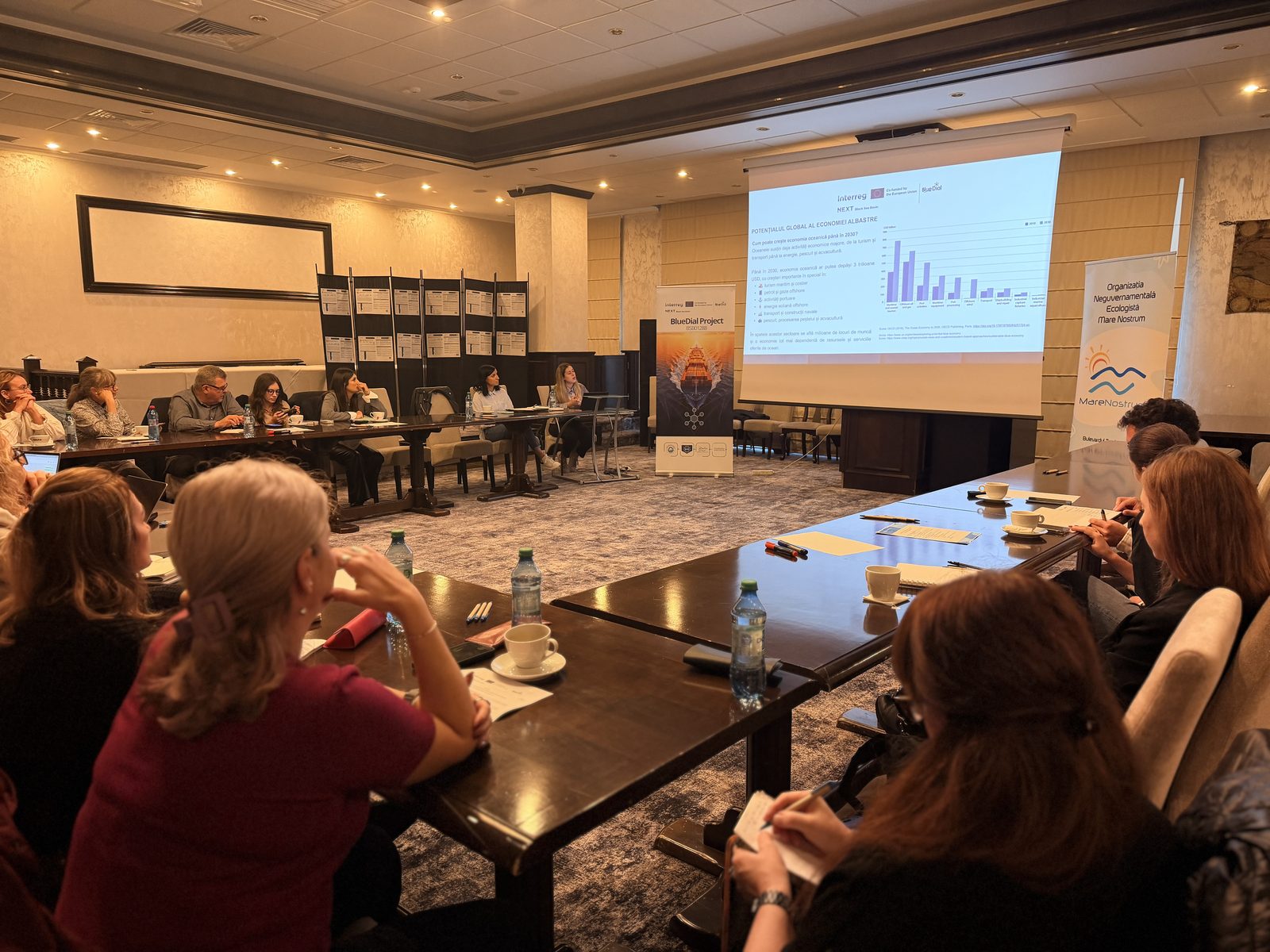
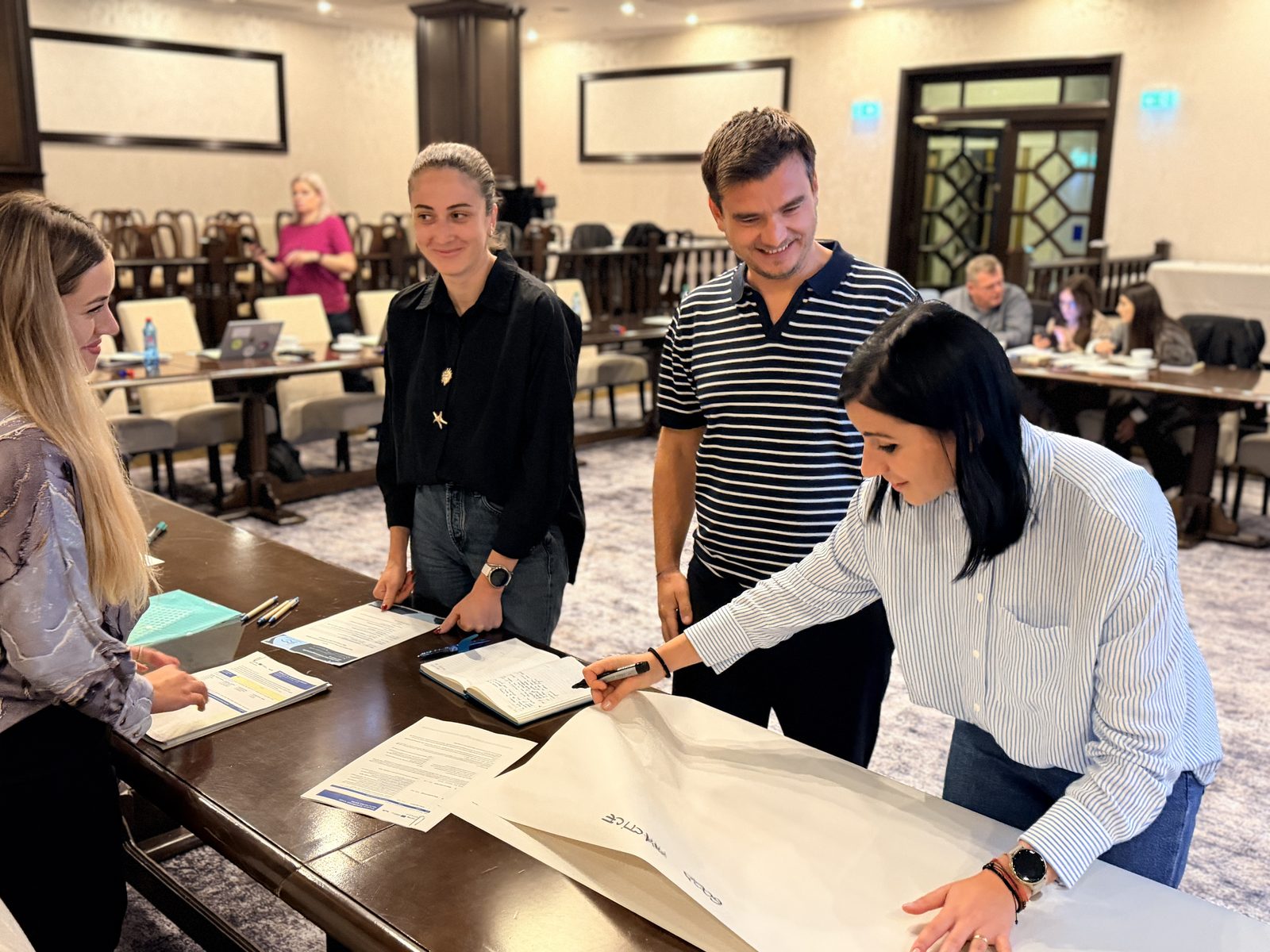
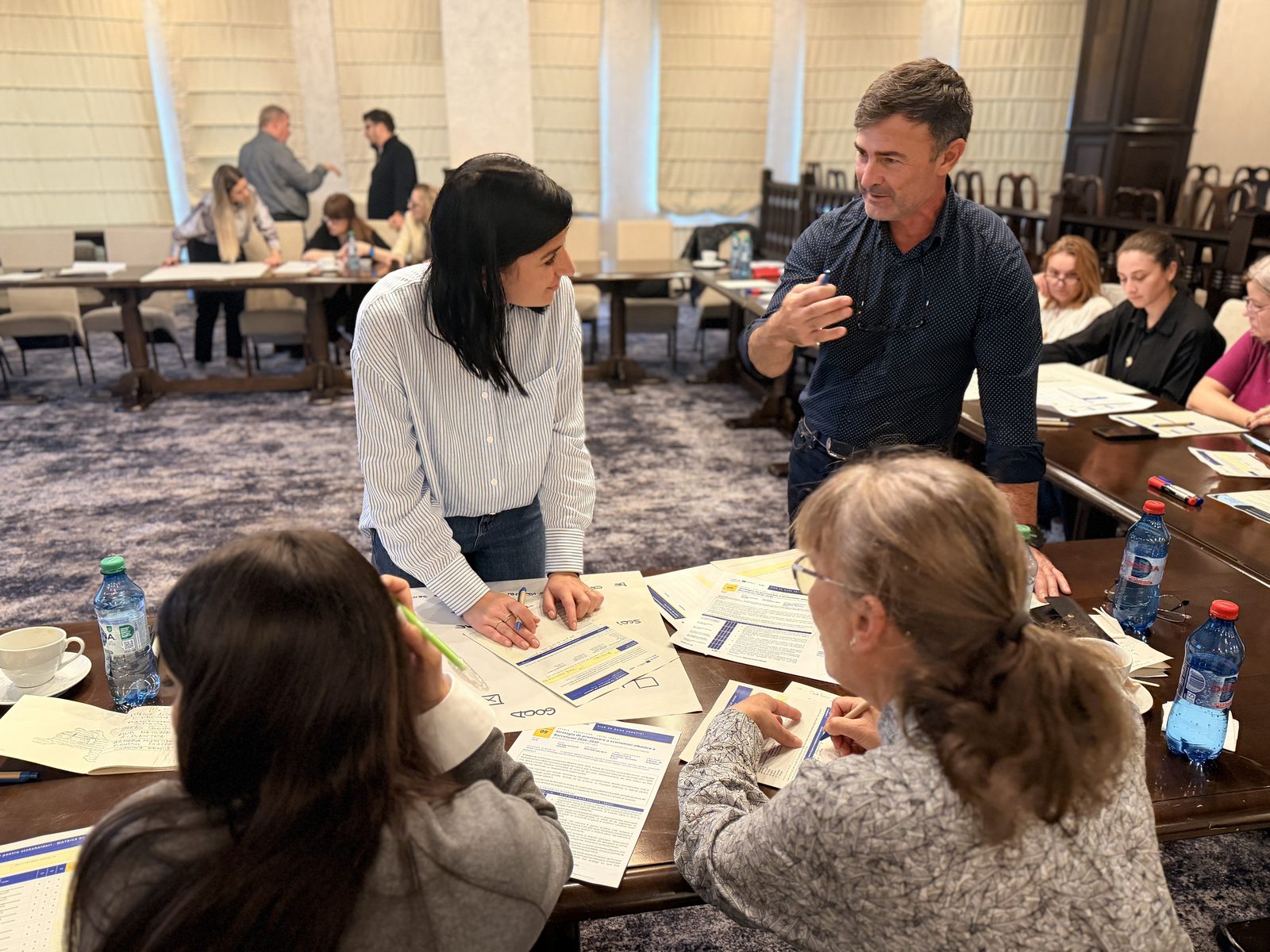
Using the World Café methodology, stakeholders contributed to evaluating the practices and identifying feasible solutions for the development of the blue economy. Following a vote, participants prioritized three successful international models that served as the basis for group discussions:
- Ireland - the long-term national approach to maritime planning;
- The Netherlands - the integrated and multisectoral program for the North Sea;
- Barcelona (Spain) - the strategy applied at local level.
These initiatives were praised for their strategic vision, structured use of data, and active involvement of both the public and private sectors.
From Copying to Adapting
Each practice was analyzed in detail to establish the conditions necessary for its transfer and adaptation to the specifics of Romania and the Black Sea. The discussions highlighted that adopting the Irish model requires an adequate legislative framework and a clearly designated monitoring institution, while the application of the Dutch model depends on simplifying data management and securing attractive funding opportunities. At the same time, implementing a local strategy similar to the one in Barcelona would require a firm commitment from stakeholders and aligning coordination mechanisms with national legislation and political priorities.
The comparative analysis highlighted that a successful transfer goes beyond simply copying formal structures; it requires profound adaptation to the local context. For these solutions to take shape in Romania, the proposed next steps focus on securing funds, identifying common interests across different economic sectors, and clarifying the legal provisions required for coordination. Thus, the sustainable development of the blue economy relies on assumed institutional responsibility, adequate funding, and genuine cooperation among all involved maritime actors.
This workshop proved that the blue economy must not remain just a concept on paper. By connecting local needs with successful European practices and through the direct collaboration of interested parties, we have taken another concrete step toward a Black Sea that is harnessed with care, intelligence, and sustainability.
- Mare Nostrum NGO, BlueDial project partnerEvent Gallery
The BlueDial project (BSB01288) is funded by the Interreg NEXT Black Sea Basin Programme, co-financed by the European Union.
 Facebook
 LinkedIn