Back to All News
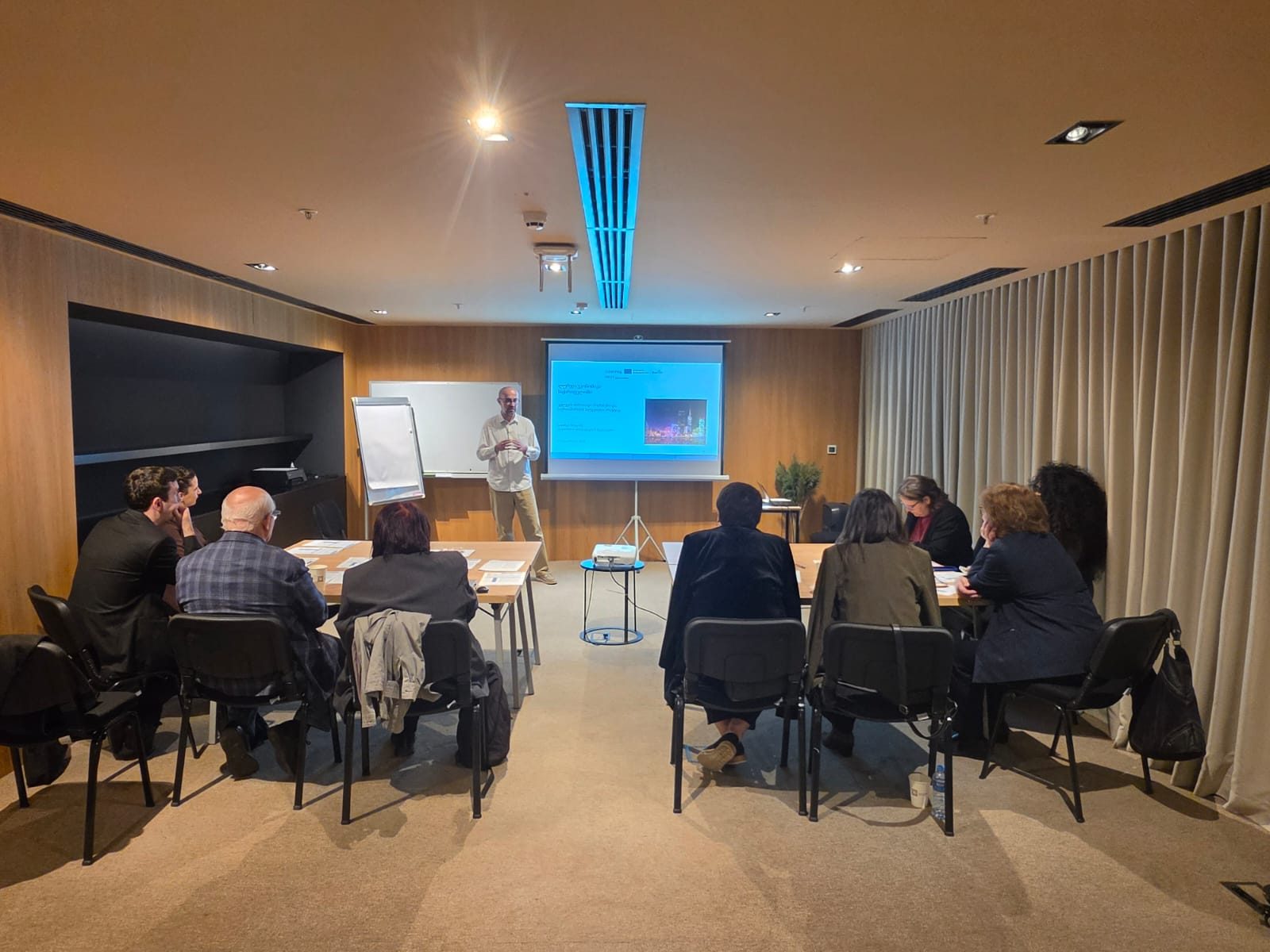
The sustainable development of the Blue Economy presents significant opportunities for Georgia, but unlocking its full potential requires stronger institutional coordination, integrated strategic planning, and effective cooperation among maritime stakeholders. Building on the findings of the national Blue Economy assessment, Tourism Institute organized a stakeholder workshop in Tbilisi to explore how successful international governance models and strategic approaches could be adapted to Georgia's specific needs and development priorities.
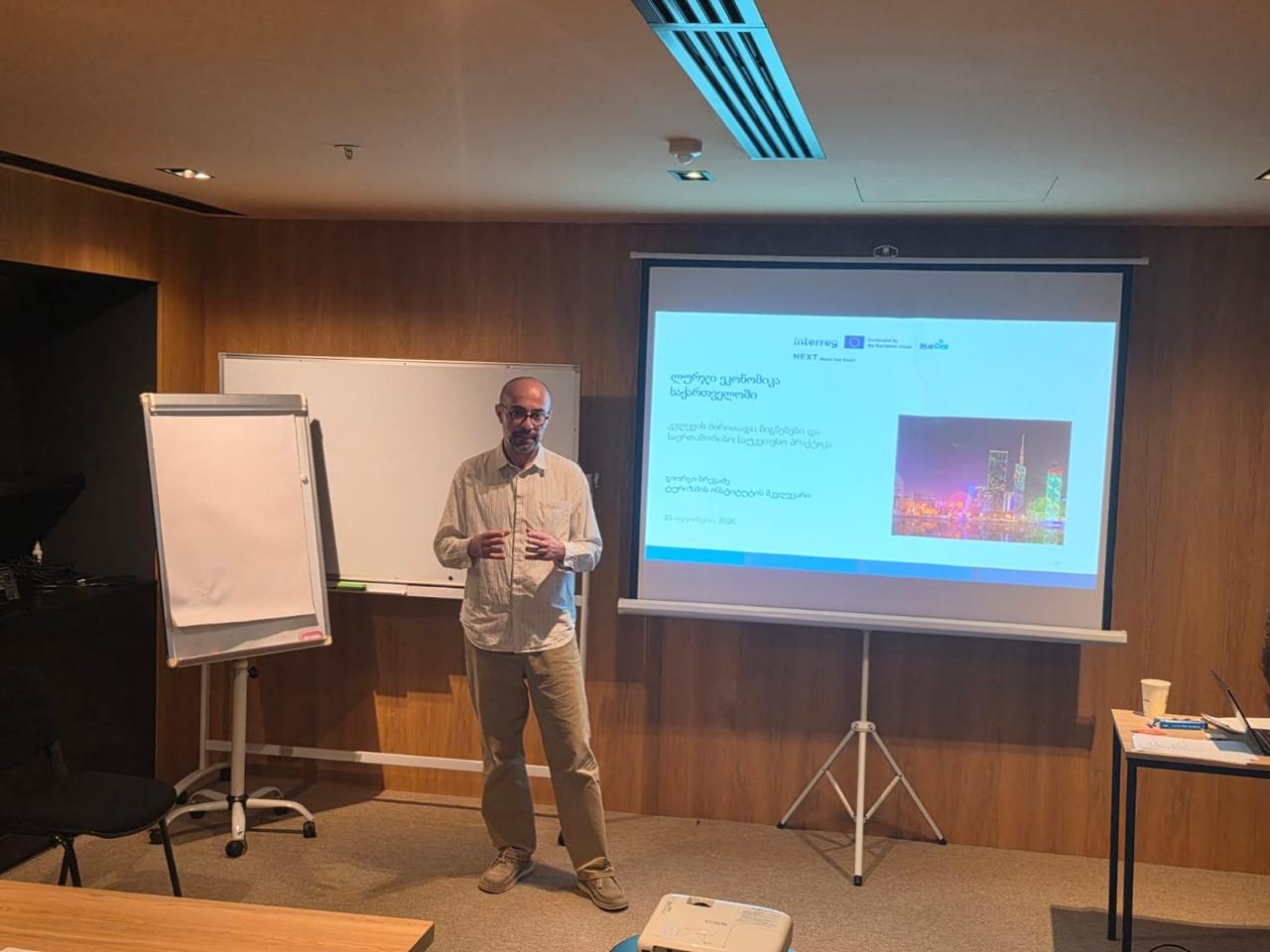
"BlueDial Stakeholder Workshop: International Best Practices for Georgia's Blue Economy" took place within the framework of the BlueDial project (BSB01288), co-funded by the European Union under the Interreg NEXT Black Sea Basin Programme. The event brought together stakeholders from different sectors to discuss the future of Georgia's Blue Economy and identify practical approaches to strengthening maritime governance and sustainable development.
Event Details
- Event: BlueDial Stakeholder Workshop - International Best Practices for Georgia's Blue Economy
- Date: 23 October 2026
- Location: Tbilisi, Georgia
- Organiser: Tourism Institute (BlueDial project partner)
Georgia's Blue Economy Has Significant Potential - How Can We Unlock It?
The workshop built on the findings of the BlueDial Report on State of the Art, which examined Georgia's existing strategic and institutional frameworks, identified development gaps, and highlighted opportunities for more coordinated Blue Economy governance.
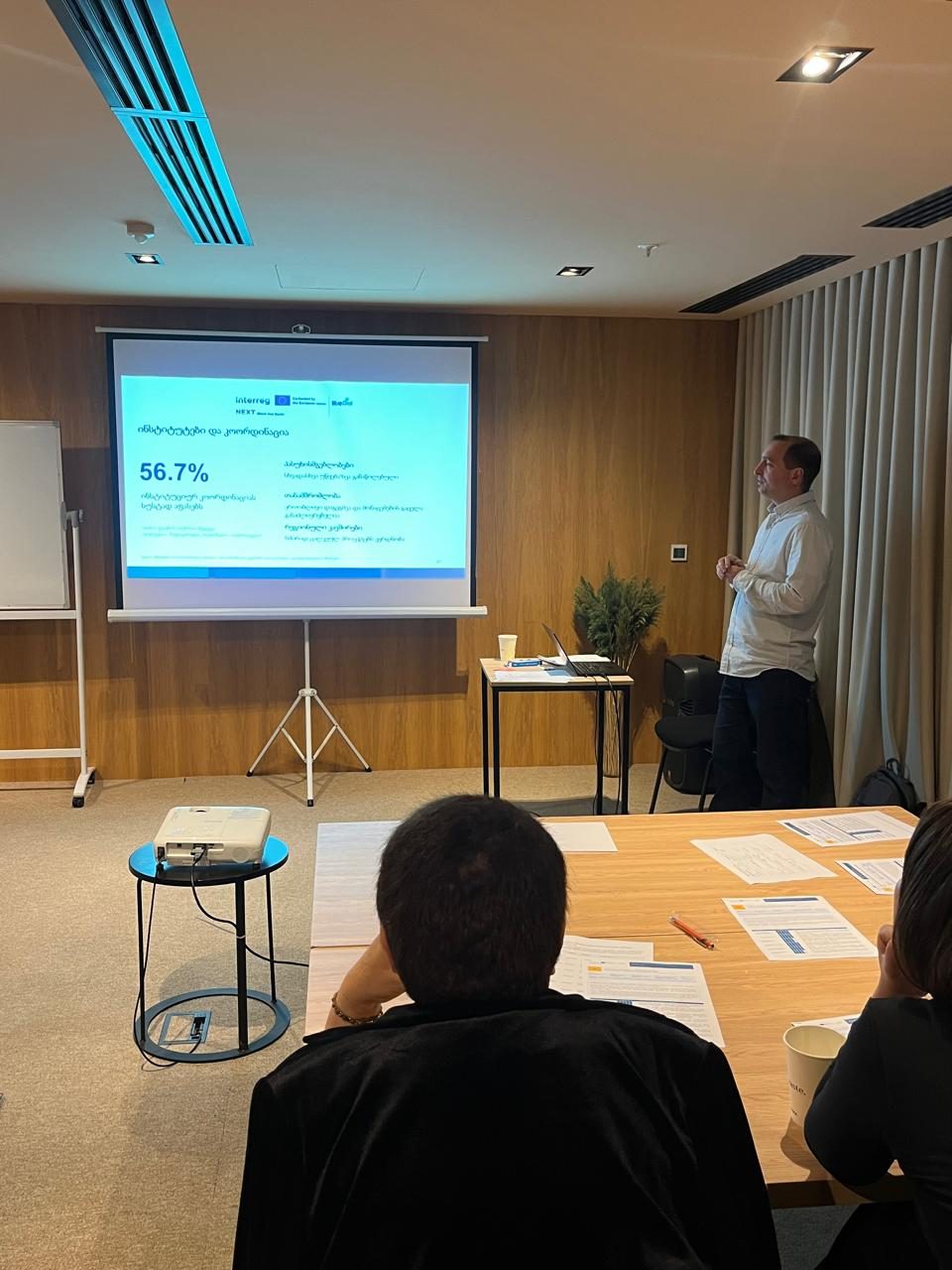
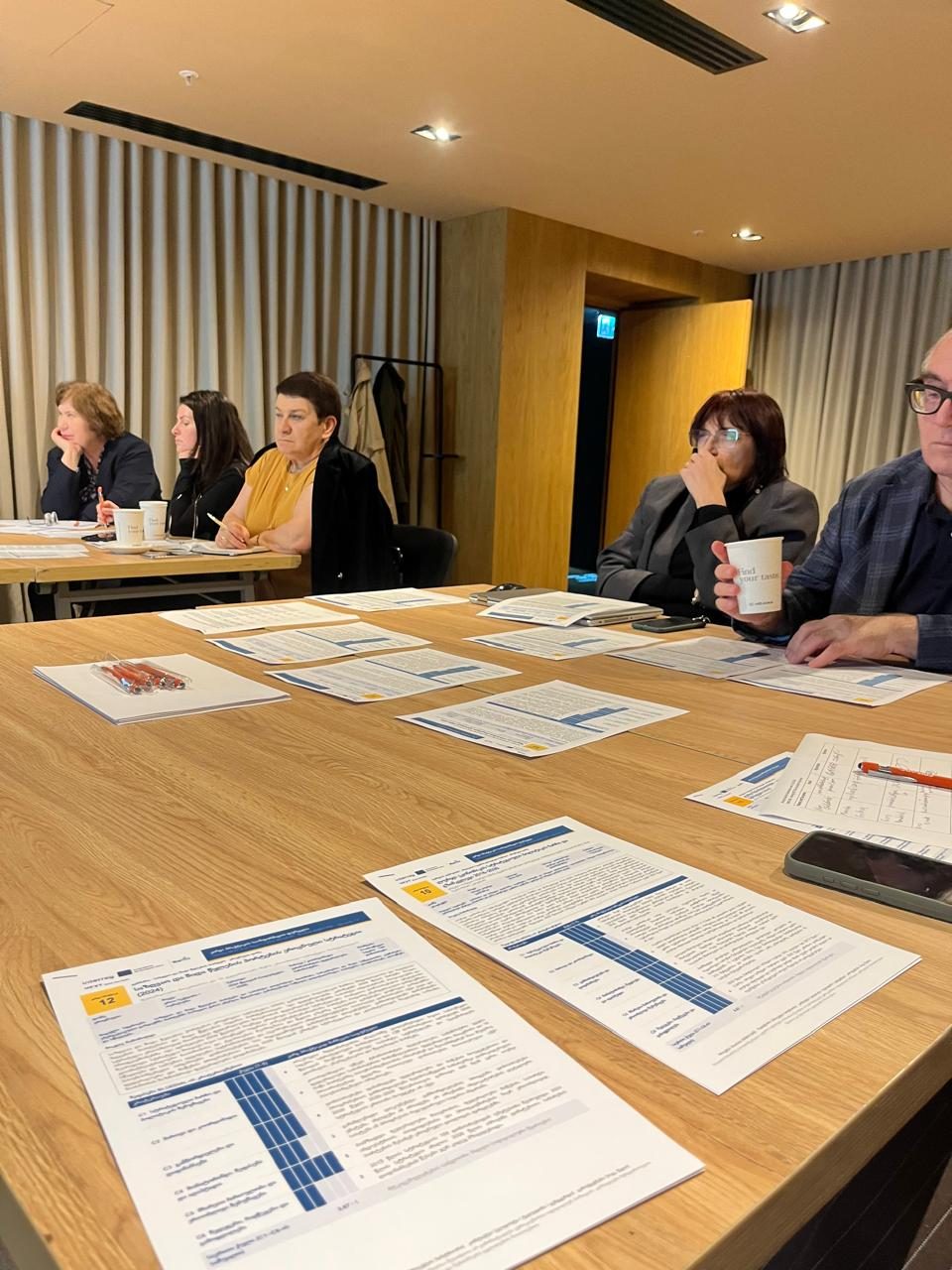
Participants explored 12 international good practices from different maritime basins and regions, examining successful approaches to national maritime strategies, institutional coordination, sustainable resource management, and stakeholder participation.
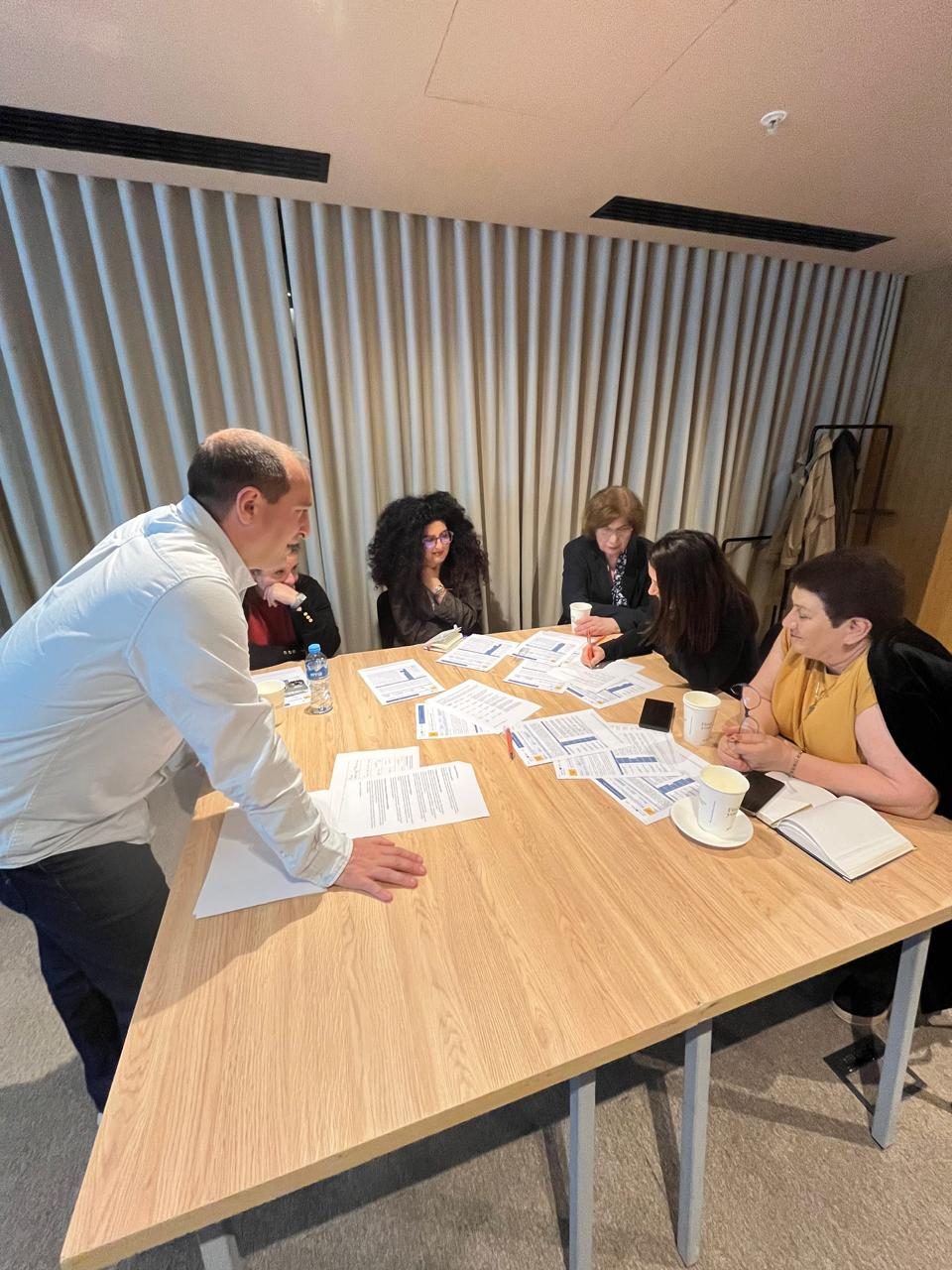
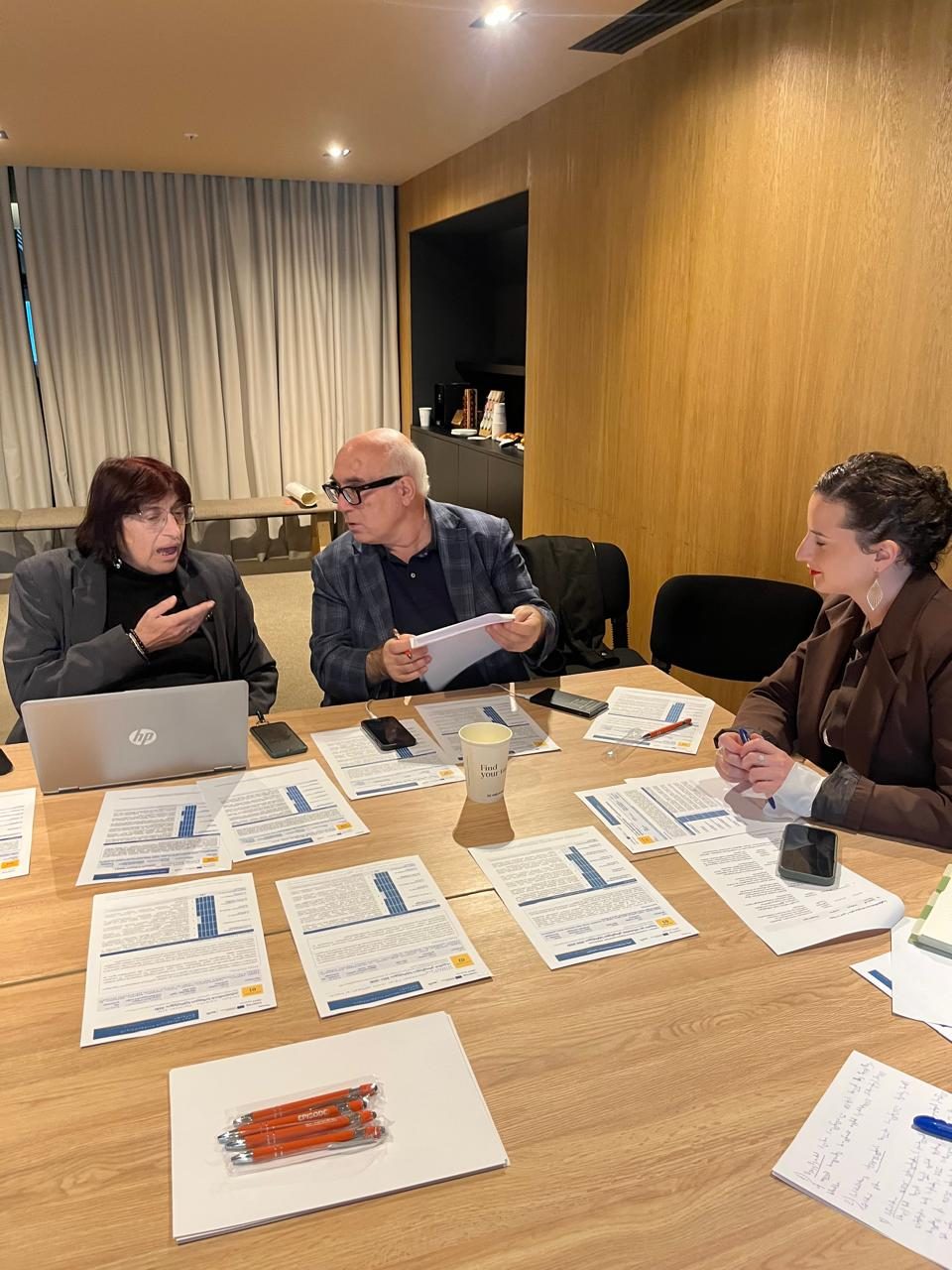
Using the interactive World Café methodology, stakeholders discussed the most suitable strategic approaches for Georgia, assessed the relevance of international experience, and identified the conditions necessary for successful implementation.
A key finding emerged from the group discussions: governance and institutional coordination should be the starting point for Georgia's Blue Economy development. Participants emphasized the importance of an integrated approach covering the entire Blue Economy, rather than relying exclusively on separate sectoral strategies. While discussions reflected different perspectives on the appropriate governance level, both national strategic direction and the involvement of regional and local institutions were recognized as important considerations.
Following the discussions, participants voted on the international practices they considered most relevant to Georgia. The strongest preferences were:
- Estonia - its maritime governance approach, with clearly defined institutional responsibilities, coordination mechanisms, and regular monitoring;
- Ireland - its integrated approach to marine planning and the coordination of maritime sectors;
- Catalonia (Spain), France, and Norway - three equally supported approaches offering complementary lessons in stakeholder participation, coordination between national and regional authorities, and research-driven innovation.
Estonia and Ireland emerged as the two leading examples, while the third position remained shared among Catalonia, France, and Norway, providing additional options for further consideration.
From International Experience to Practical Solutions for Georgia
The discussions demonstrated that successfully transferring international practices requires more than adopting existing strategies or institutional models. Effective adaptation must reflect Georgia's legal framework, institutional capacities, financial resources, and national and regional development priorities.
Stakeholders highlighted fragmented institutional responsibilities, insufficient coordination mechanisms, implementation challenges, and the need for stronger monitoring and stakeholder engagement as important barriers to more integrated Blue Economy development.
The international examples offered different perspectives on addressing these challenges. Estonia's experience highlighted the value of clear institutional leadership and accountability, while Ireland demonstrated the importance of integrated maritime planning. Catalonia provided a reference for participatory governance, France illustrated connections between national strategies and territorial implementation, and Norway offered lessons in linking research, innovation, and professional skills with economic development.
The discussions also touched on opportunities related to fisheries and aquaculture, coastal environmental management, sustainable tourism, and skills development, demonstrating the importance of connecting maritime economic activities within a shared strategic framework. The workshop's findings provide a valuable foundation for the next stages of BlueDial, particularly in exploring practical coordination mechanisms, strengthening cooperation between national and regional stakeholders, and identifying international practices that could support future policy recommendations for Georgia and the wider Black Sea region.
The Georgian stakeholder workshop reinforced an important message: the future of the Blue Economy depends not only on economic opportunities, but also on our ability to connect institutions, align strategic priorities, and transform international experience into practical, locally adapted solutions. Through dialogue and cooperation, Georgia can move closer to a more integrated, innovative, and sustainable Blue Economy.
- Tourism Institute, BlueDial project partnerEvent Gallery
The BlueDial project (BSB01288) is co-funded by the European Union under the Interreg NEXT Black Sea Basin Programme.
 Facebook
 LinkedIn